


ReportingCloud: Web Service Privacy and Data Security

ReportingCloud processes merge data in memory and never stores output documents. Transport uses SSL with Extended Validation certificates. Templates in cloud storage remain customer-owned. Transaction logs record IP addresses but no merge content. Azure hosts the infrastructure.
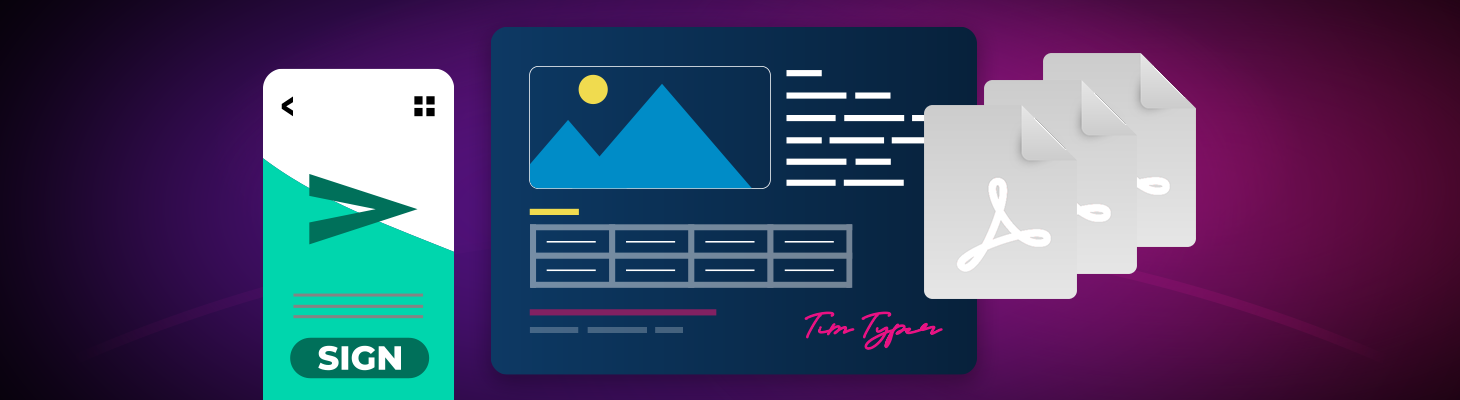
At Text Control, the privacy and data security is our top priority. Using Cloud-based services is a decision that requires trust, but also policies, best practices and technology. We operate a web service that merges templates with potentially sensitive data to create documents in various formats such as PDF or MS Word. We deliver software and services to enterprises, government agencies and other organizations in over 80 countries. Our customers include financial and healthcare companies with most sensitive data.
This article explains how the service works and which data is stored before, during and after a merge process.
How It Works
Templates (that usually doesn't contain sensitive data) can be stored in the ReportingCloud template storage. Using a Web API, potentially sensitive data is sent to our servers in JSON (http://www.json.org/) format. ReportingCloud merges this data with the template and returns a resulting document.
Do I Need to Store Templates in the Template Storage?
No. To reduce processing time (upload template for each process), templates can be stored in the ReportingCloud template storage. But templates can be also sent with the JSON data for each merge process.
Who Owns the Templates Stored in the Template Storage?
You. Customers maintain ownership of their templates stored in the template storage. We do not access or use content for any purpose other than as legally required and for maintaining the ReportingCloud services.
Is the HTTP Transportation Layer Secure?
Yes. Only secure requests are supported and secured using SSL. SSL stands for Secure Sockets Layer, and is a global standard security technology that enables encrypted communication between a web browser (or server) and a web server. ReportingCloud uses only Extended Validation (EV) certificates which provides the highest degree of security.
Are Created Documents Stored at ReportingCloud?
No. Created documents are never stored physically. Documents are created in memory and will be completely removed after a merge or conversion process.
Which Data is Stored?
Besides your account data (e-mail address and serial number), we log each transaction with the used IP address. This transaction log helps us and you to track potential issues. We never store data from the merge process itself (merge field data or templates).
Where Are the Servers Located?
We use Microsoft Azure to host our services. Based on your location and server load, your requests might be processed on servers in different countries. If you want to host your own ReportingCloud, please contact us.
Cloud
Are we moving to the cloud? This question is changing from "if" to "when" and "how". Text Control ReportingCloud brings complete reporting functionality to the cloud so all developers can use it, irrespective of the platform or language they're using. Its highly RESTful API can be used to merge Microsoft Word compatible templates with JSON data from all clients including .NET, Javascript, PHP, Node.JS, jQuery, Ruby, Python, Android, Java and iOS.
Related Posts
ReportingCloud Monthly Payment Available
ReportingCloud now supports monthly subscription plans that auto-renew each billing cycle until cancelled. Subscribers manage active plans and view payment invoices through the online store…
Proofing Tools Available As ReportingCloud Web API Endpoints
ReportingCloud introduces three proofing Web API endpoints for cloud-based spell checking. The proofing/check endpoint detects misspelled words and duplicates, proofing/suggestions returns ranked…
All Google Fonts Now Available in ReportingCloud
ReportingCloud now includes over 2000 Google Fonts on its servers, ensuring consistent rendering across merged documents. The fonts/list endpoint returns all available font names for programmatic…
New ReportingCloud MergeSettings Option: Merge HTML Content into Merge Fields
ReportingCloud adds a mergeHtml property to MergeSettings that accepts formatted HTML inside merge field data. Supported tags include strong, em, and u wrapped in an html root element. The…
Retrieving Template Information Using the ReportingCloud Web API
The ReportingCloud template/info endpoint returns a TemplateInfo object containing hierarchical merge field names, format strings, and nested merge block structures. This metadata enables dynamic…