
Software Origin, Compliance, and Trust: Made in Germany

For many organizations across Europe, software is a critical component of business processes. As regulatory requirements increase and audit expectations become more detailed, the origin and governance of software development have become relevant evaluation criteria.
For many organizations across Europe, software is a core component of critical business processes. As regulatory requirements increase and audit expectations become more detailed, the origin and governance of software development have become relevant evaluation criteria.
Software Origin, Compliance, and Trust: Made in Germany
As a German company that conducts all development and R&D in Germany, we provide full transparency regarding how and where our software is designed, implemented, and maintained.
- 100% development and R&D in Germany
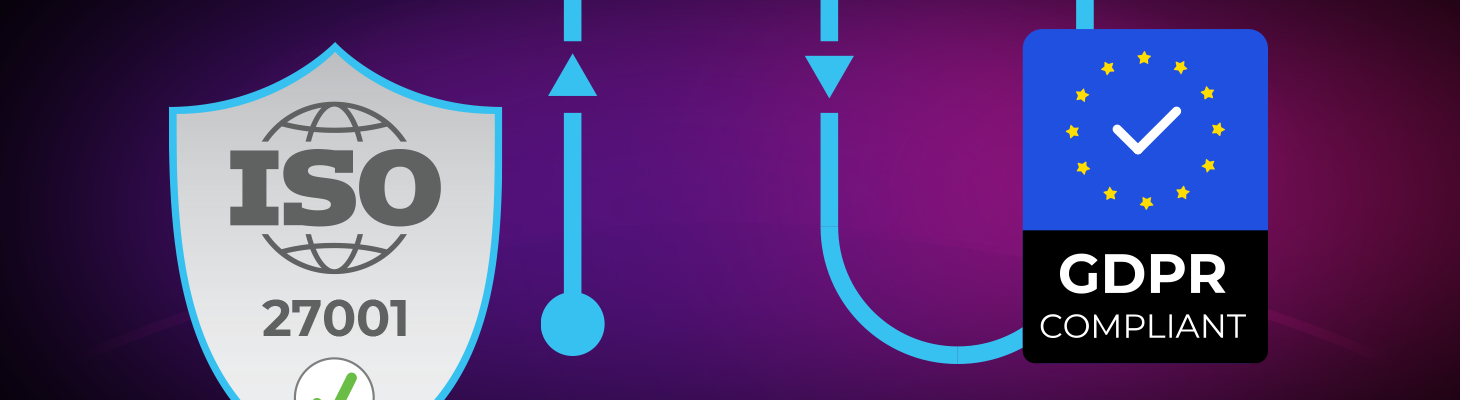
- GDPR-aligned by design
- ISO 27001 in progress (target end of 2026)
- Founded in Germany, operating since 1991
Software Development and Regulatory Context
Modern software systems often process personal and sensitive data. In the European Union, the processing of this data is governed by the General Data Protection Regulation (GDPR).
In practice, compliance with the GDPR is influenced not only by contractual agreements, but also by:
- Development location and jurisdiction
- Organizational control over engineering processes
- Transparency of data flows and system behavior
- Accountability and auditability
Software developed in a jurisdiction with strong data protection laws and strict regulatory oversight can provide a higher level of assurance regarding data privacy and security. The development process is more likely to adhere to data protection best practices, and legal mechanisms hold developers accountable for breaches or noncompliance. These areas can experience increased organizational and legal complexity with distributed or multi-jurisdiction development models.
What 100% Development in Germany Means in Practice
All of our software development and R&D activities are conducted in Germany. This includes:
- Design and architecture
- Implementation and testing
- Maintenance and long-term product development
For customers, this means operating within a clearly defined legal jurisdiction with full accountability under German and EU law. All development is carried out in-house to ensure consistent development and security processes, without any offshore development or subcontracting. Consequently, all activities align with European data protection and compliance requirements.
GDPR Alignment by Design
Developing software within the EU allows for the direct application of GDPR principles at the design and implementation stage rather than treating compliance as an afterthought. From day one, privacy and data protection requirements are built into the architecture, development workflows, and security practices.
This approach supports key GDPR principles, such as:
- Data minimization, ensuring that only necessary data is processed and stored
- Purpose limitation through clearly defined processing goals and controlled data flows
- Transparency of processing, with traceable and well-documented handling of personal data.
- Comprehensive documentation to support audits, risk assessments, and compliance reviews.
For customers acting as data controllers or processors, this results in more predictable compliance outcomes. Internal processes become easier to align with regulatory requirements, and external audits can be handled more efficiently thanks to clear documentation, consistent practices, and a shared EU regulatory framework.
Information Security and ISO 27001
Information security is a core operational requirement. In addition to our established internal security practices, we are working toward achieving ISO 27001 certification by the end of 2026. ISO 27001 is an internationally recognized standard for information security management systems (ISMS). It provides a structured framework for managing sensitive information and ensures confidentiality, integrity, and availability. Implementing ISO 27001 will further enhance our security posture and provide customers with additional assurance regarding the protection of their data.
This certification process focuses on:
- Structured risk management
- Defined information security controls
- Secure development and operational procedures
- Continuous improvement and review
The goal is to provide documented, auditable information security management systems that align with internationally recognized standards. This will further enhance our ability to meet customer requirements and regulatory expectations regarding information security.
Development Proximity and Operational Clarity
A centralized development organization facilitates direct and efficient communication among engineers, product managers, and customers, thereby reducing friction and misunderstandings. It allows for predictable response times and well-defined processes while maintaining consistent quality and documentation standards across all products and releases.
Stable development teams are directly involved in the product's ongoing evolution, ensuring long-term maintenance, continuity of knowledge, and an evolving understanding of customer requirements.
Long-Term Maintainability and Risk Management
Development models optimized purely for short-term cost savings often introduce long-term challenges. These challenges can include increased coordination efforts across teams and time zones, greater maintenance complexity throughout the product's lifetime, gaps in security practices and documentation, and extra overhead during audits and compliance reviews.
Maintaining development and R&D in Germany ensures a focus on long-term maintainability, consistent quality standards, and operational reliability. This approach guarantees that products will remain stable, secure, and well supported over time.
Frequently Asked Questions
All Text Control products are developed entirely in Germany. This includes architecture, implementation, testing, and long-term maintenance. We do not use offshore development teams or external subcontractors.
No. All development and R&D activities are performed in-house in Germany. There is no offshore development and no hidden subcontracting.
Text Control products are developed within the European Union and aligned with GDPR principles such as data minimization, transparency, and accountability. Development processes and documentation support customers in meeting their GDPR obligations as controllers or processors.
Text Control provides software libraries and components that run within the customer's environment. We do not access, process, or store customer data unless explicitly agreed upon in a separate contractual arrangement.
Text Control is currently working toward ISO 27001 certification. Completion of the certification process is planned by the end of 2026. This initiative formalizes information security management, risk assessment, and control processes.
Text Control operates under German and European law. Development, contractual relationships, and compliance processes are governed exclusively within this legal framework.
Yes. Upon request, we provide documentation relevant for procurement, compliance, and audit processes, including information on development practices, data protection, and information security.
ASP.NET
Integrate document processing into your applications to create documents such as PDFs and MS Word documents, including client-side document editing, viewing, and electronic signatures.




- Angular
- Blazor
- React
- JavaScript
- ASP.NET MVC, ASP.NET Core, and WebForms
Related Posts
Introducing Text Control Agent Skills
With the introduction of Text Control Agent Skills, AI coding assistants can now understand how to correctly work with the TX Text Control Document Editor and its APIs. This means that developers…
ASP.NETApp ServicesASP.NET Core
Deploying the TX Text Control Document Editor from the Private NuGet Feed to…
This tutorial shows how to deploy the TX Text Control Document Editor to Azure App Services using an ASP.NET Core Web App. The Document Editor is a powerful word processing component that can be…
ASP.NETASP.NET CoreE-Invoicing
Why Structured E-Invoices Still Need Tamper Protection using C# and .NET
ZUGFeRD, Factur-X, German e-invoicing rules, and how to seal PDF invoices with TX Text Control to prevent tampering. Learn how to create compliant e-invoices with C# and .NET.
ASP.NETAccessibilityASP.NET Core
AI Generated PDFs, PDF/UA, and Compliance Risk: Why Accessible Document…
Ensuring that PDFs are accessible and compliant with standards like PDF/UA is crucial. This article explores the risks of non-compliance and the importance of integrating accessible document…
ASP.NETASP.NET CoreDocument Repository
File Based Document Repository with Version Control in .NET with TX Text Control
In this article, we will explore how to implement a file-based document repository with version control in .NET using TX Text Control. This solution allows you to manage and track changes to your…